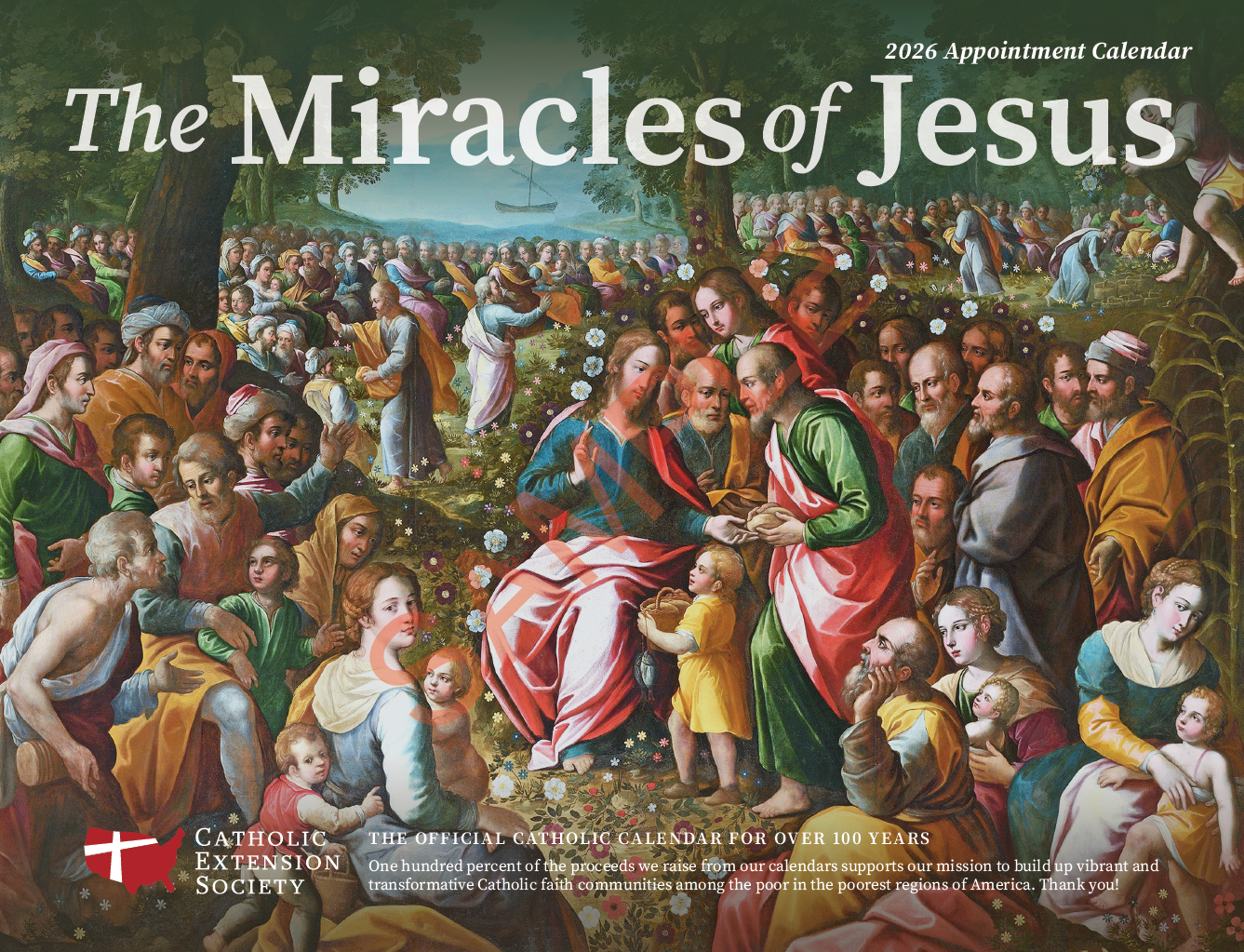
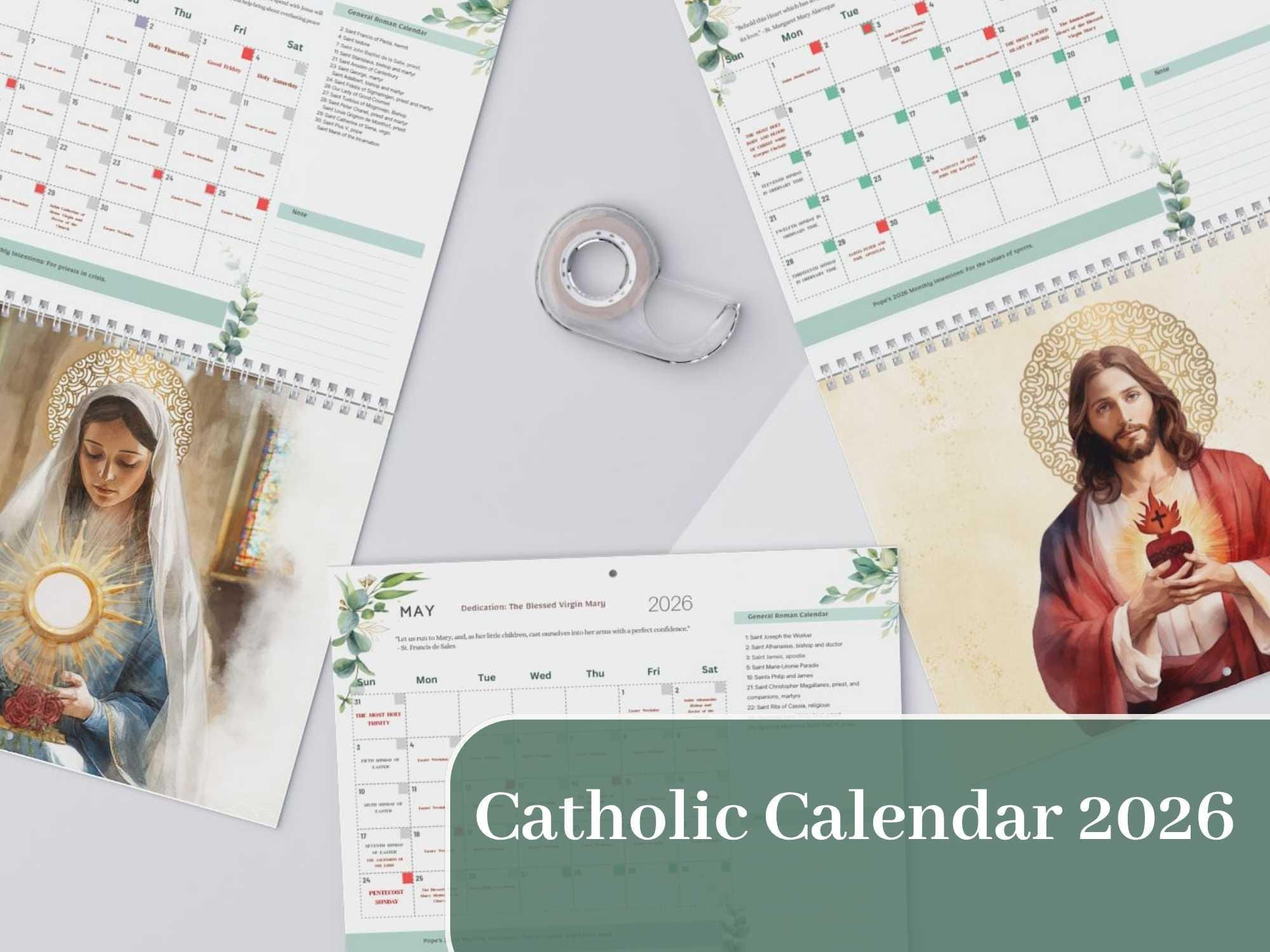
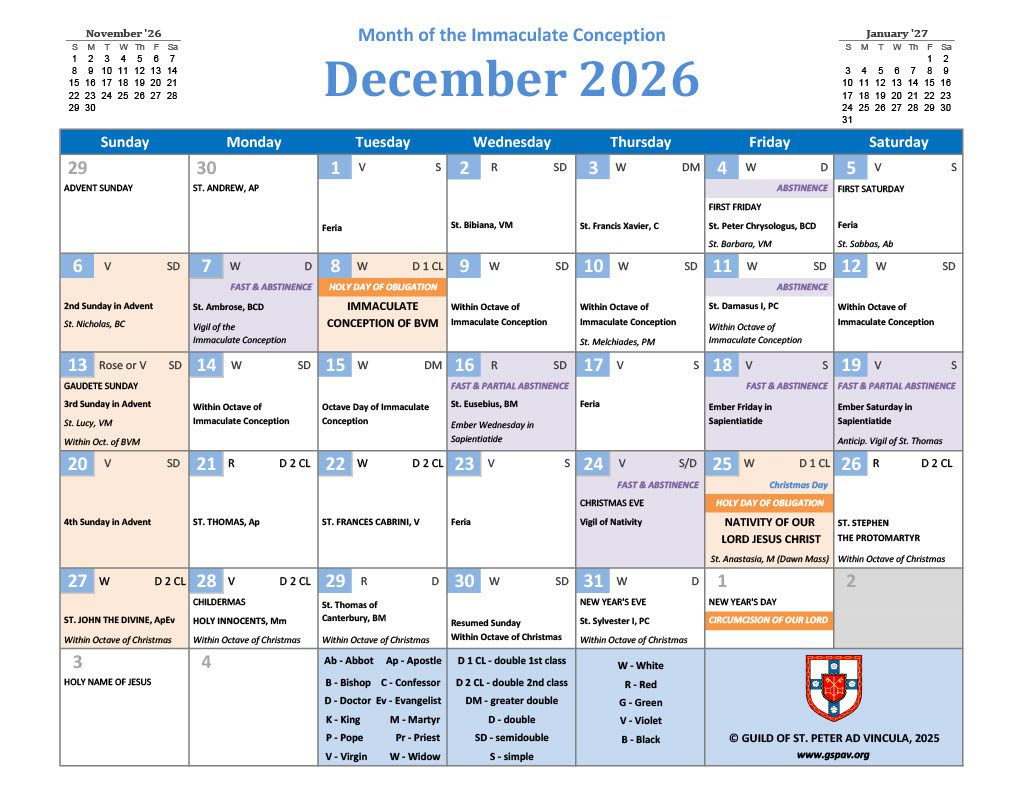
Roman Catholic Calendar 2026
Are you ready to start planning for an exciting year ahead? Let’s take a look at the Roman Catholic Calendar for 2026 and all the wonderful celebrations and observances it holds. From religious feast days to solemn occasions, this calendar is filled with opportunities for reflection, joy, and spiritual growth. So mark your calendars and get ready for a year of faith, hope, and love!
As we delve into the Roman Catholic Calendar for 2026, we are greeted with a tapestry of colorful events that bring the faithful together in prayer and celebration. From the joyous festivities of Easter and Christmas to the reverence of Holy Week and Lent, each season offers a chance to deepen our connection with God and our community. Amidst the busy hustle and bustle of daily life, these sacred moments remind us of the importance of faith, unity, and compassion.
Celebrating Saints and Special Occasions
Throughout the year, the Roman Catholic Calendar honors a diverse array of saints, martyrs, and special feast days that hold significance for believers around the world. From the feast of St. Patrick in March to the solemnity of All Saints’ Day in November, each celebration offers a unique opportunity to learn about the lives of holy men and women who have inspired generations with their faith and devotion. These saints serve as shining examples of courage, humility, and selflessness, guiding us on our own spiritual journey.
One particularly special occasion on the Roman Catholic Calendar in 2026 is the World Youth Day, a global event that brings young Catholics together for prayer, reflection, and fellowship. This international gathering offers a unique opportunity for young people to deepen their faith, connect with peers from around the world, and engage in meaningful discussions about their role in the Church and society. With vibrant celebrations, inspiring speakers, and powerful moments of prayer, World Youth Day is sure to be a highlight of the year for many Catholic youth.
Embracing the Seasons of the Liturgical Year
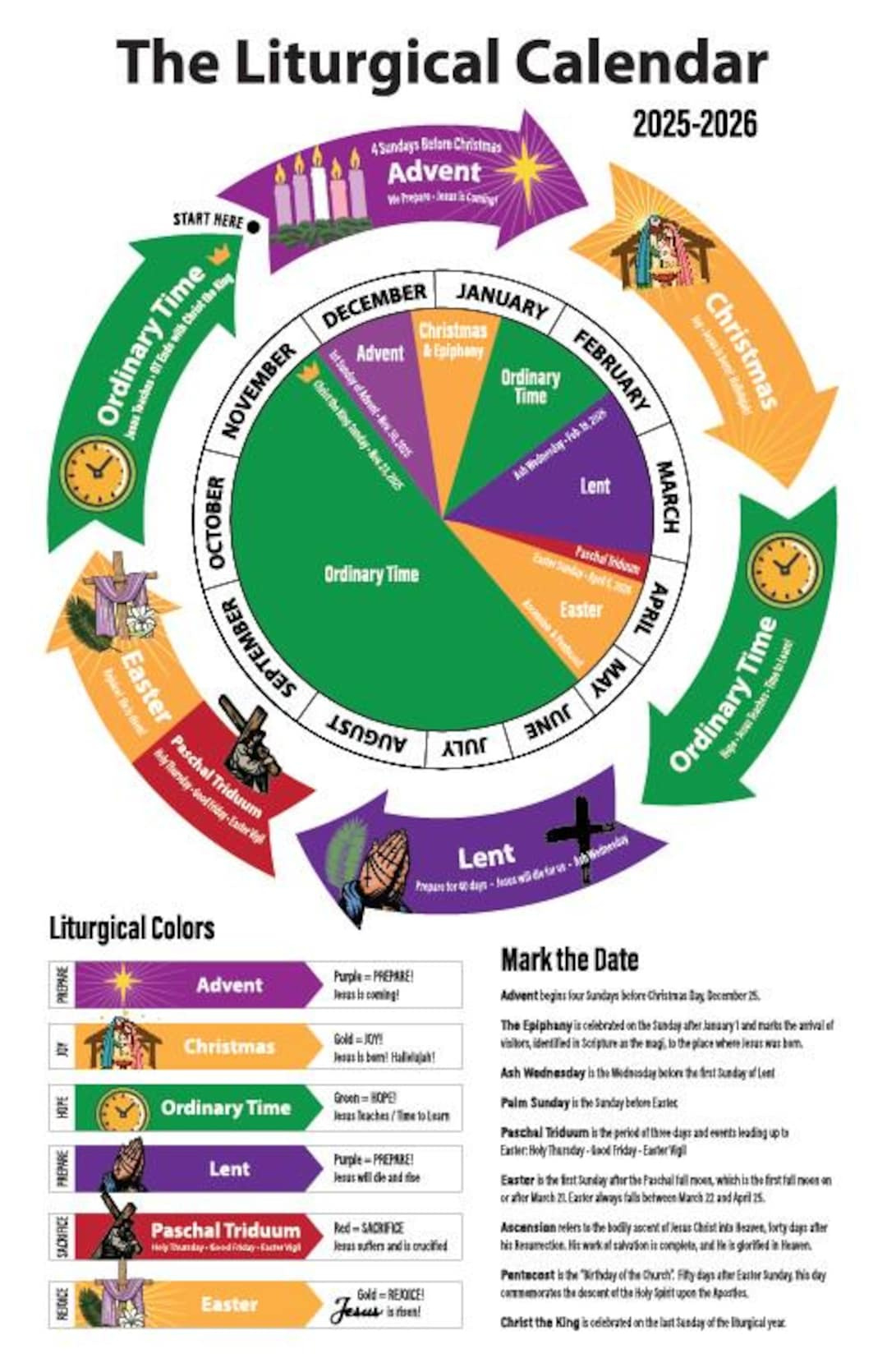
The liturgical year is a rich tapestry of seasons and feasts that guide the faithful through the life of Christ, from his birth at Christmas to his resurrection at Easter. Each season offers a unique opportunity to reflect on different aspects of Jesus’ life and ministry, deepening our understanding of his teachings and the significance of his sacrifice. From the solemnity of Advent to the joy of Pentecost, the liturgical year invites us to journey with Christ through the highs and lows of his earthly life, drawing strength and inspiration from his example.
One particularly poignant season in the liturgical year is Lent, a time of repentance, fasting, and prayer that prepares believers for the celebration of Easter. During this season, Catholics are called to reflect on their own shortcomings, seek forgiveness for their sins, and renew their commitment to living a life of faith and service. Through acts of self-denial, prayer, and almsgiving, believers are invited to draw closer to God and grow in holiness, following the example of Christ’s own 40 days in the desert. As we embark on this journey of spiritual renewal, we are reminded of the importance of humility, sacrifice, and love in our lives.
With the Roman Catholic Calendar for 2026 as our guide, we are invited to embark on a journey of faith, hope, and love, embracing the richness of the Church’s traditions and teachings. As we mark each feast day, celebration, and season with prayer and reflection, may we deepen our relationship with God and our community, drawing strength and inspiration from the examples of the saints and the life of Christ. Let us approach the coming year with open hearts and minds, ready to experience the grace and blessings that await us on this sacred journey.
Related Calendars…
COPYRIGHT NOTICE: The images on this webpage are aggregated from search engines. If you’re the original creator of an image and want it removed, please contact us directly and provide the URL link of the image. We will respond promptly and remove it upon confirmation of ownership.